
Furnace Pros Utah logo Furnace Pros Utah
Get Estimate

Emergency Furnace Repair in Utah, day or night

Heat back on fast, from the Wasatch Front to the Four Corners


When your heat quits at 2 a.m. and the house is already at 58 degrees, Emergency Furnace Repair in Utah means a licensed tech at your door with the parts to fix it, not a promise for Thursday. We run 24 hour furnace repair in Utah statewide, from Logan to Saint George, and we stock igniters, flame sensors and blower motors on every truck. Call (866) 961-2544 and we roll.

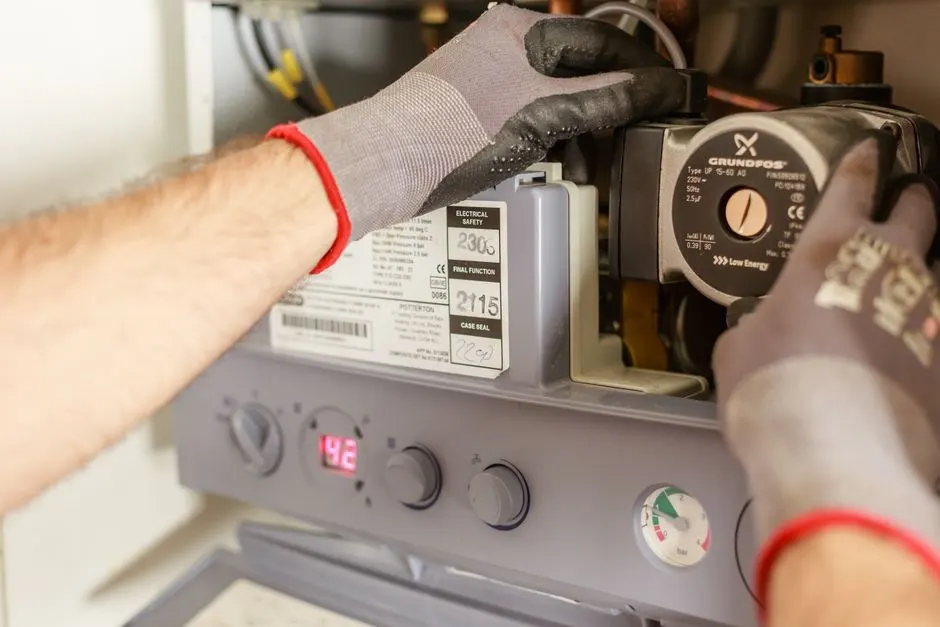
Close-up of hands adjusting a boiler system with precise instrumentation, showing maintenance work.
Licensed Licensed & Bonded
Fully Insured Insured & Bonded
24/7 Emergency Same-Day Response
Warranty Backed Workmanship Guaranteed

What Our Emergency Furnace Repair Covers

Every emergency call includes a full diagnostic, the repair itself when the part is on the truck, and a combustion test before we leave. Here is what is standard on the visit and what would be a separate job, so the invoice matches what we told you on the phone.

Full System Diagnostic

We test the control board, igniter, flame sensor, gas valve, limit switches and blower with a multimeter and manometer. You get the actual fault, not a guess. Diagnostics run 20 to 40 minutes and the findings are explained in plain language before any work begins.
On-Site Repair

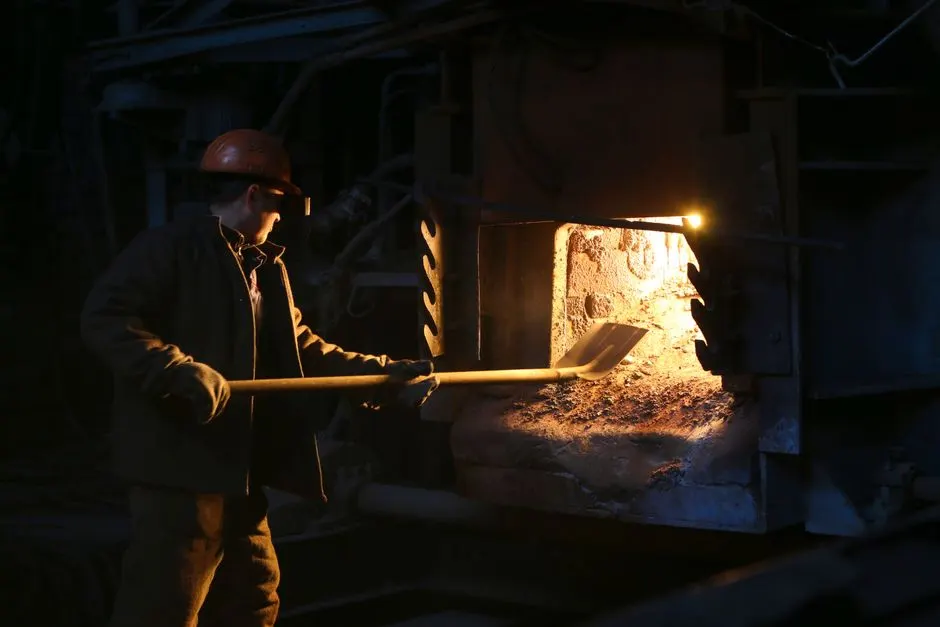
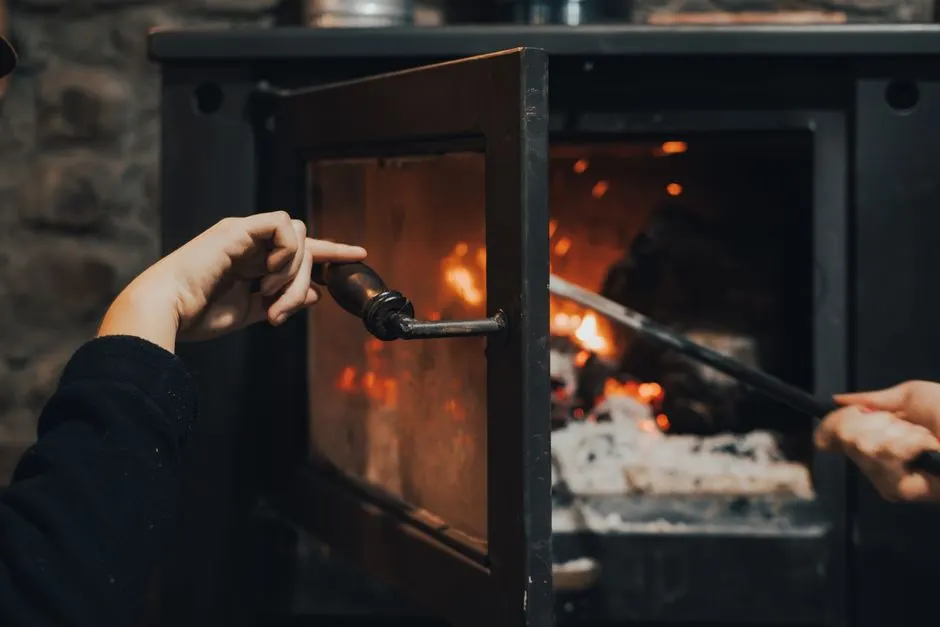
When the failed part is one we stock, we make the repair during the same visit. Igniters, thermocouples, flame sensors, capacitors and gas valves are the most common fixes, and most are done in under an hour.

Combustion And CO Test

After any gas-side repair, we run a combustion analyzer and flue gas analyzer to confirm the burn is clean and the flue is drafting. We check CO in the supply air and around the unit. You get the readings, not just a thumbs up.

Temperature Rise Check

We measure supply and return temperatures with a thermometer and compare against the data plate spec, usually a 35 to 70 degree rise depending on the model. Out-of-range numbers point to airflow or gas pressure problems that would otherwise shorten the furnace's life.

Filter And Airflow Review

A clogged furnace filter is behind more no-heat and short-cycling calls than any single part. We check the filter, the return grilles and the blower wheel, then tell you what size and MERV rating to run for your system.

Written Repair Record

You get a record of what failed, what we replaced, the part warranty and the labor warranty. It stays on file so the next tech who visits your home knows the history instead of starting from zero.

What Emergency Furnace Repair in Utah Actually Involves


Emergency Furnace Repair in Utah is licensed, code-correct diagnostic and repair work performed on a failed heating system outside normal business hours, usually within hours of your call. A tech pulls up, meters the system, and finds the fault: a cracked igniter, a tripped limit switch, a flame sensor coated in carbon, a gas valve that will not open, or a blower motor that has seized. We test with a multimeter and manometer, confirm gas pressure at the manifold, and check the heat exchanger before we call the job done.

Utah furnaces fail hardest in the cold snaps. A January inversion in the Salt Lake Valley pushes overnight lows into the single digits, and canyon and high-desert towns like Tabiona, Bluff and Lake Powell see swings of 40 degrees in a day. That cycling cracks igniters, glazes flame sensors and shortens blower motor life. If your furnace is blowing cold air or short cycling, that is your cue to call for emergency heating repair Utah homeowners can actually reach at 11 p.m. on a Sunday.

What Happens When You Call

From the first ring to the final combustion test, here is exactly how a Furnace Pros Utah emergency call runs, so you know what to expect before the truck pulls in.

01

Schedule

Call or book online — a real human picks up and confirms a 2-hour arrival window.

02

Diagnose

Licensed tech inspects on-site, then walks you through the cause and your options.

03

Fix

The job is completed to code and done right the first time — no shortcuts, no surprises.

04

Guarantee

Every job backed by a written workmanship warranty — and we stand behind it.

Tools And Methods We Use

Tools & Equipment

Multimeter

Tests continuity and voltage at the control board, igniter, flame sensor and blower. It is how we prove a part is actually failed instead of replacing it on a hunch.

Manometer

Measures gas pressure at the valve and manifold. Wrong pressure causes weak flames, delayed ignition and sooting, and it is invisible without a manometer.

Combustion Analyzer

Reads oxygen, CO and stack temperature to confirm the burn is clean. We run it after every gas-side repair and record the numbers.

Flue Gas Analyzer

Verifies draft and checks for spillage at the flue. A furnace that heats but vents poorly is a carbon monoxide risk, and this is how we catch it.

Clamp Meter

Measures amp draw on the blower motor and electric furnace elements. High draw means a failing motor or a bad element before it fails completely.

Inspection Camera

Lets us look inside the heat exchanger and ductwork without cutting into the cabinet. That is how we confirm or rule out a cracked exchanger.

Vacuum Gauge

Checks static pressure and airflow restriction in the duct system. Poor airflow is behind a large share of short-cycling and overheating calls.

Methods & Standards

Sequence Of Operation Testing

We follow the furnace through its full startup sequence: thermostat call, inducer, pressure switch, ignition, flame proving, blower. The first step that fails is the fault, and this method finds it in minutes instead of swapping parts.

International Mechanical Code (IMC) Compliance

Every repair is made to IMC requirements for venting, clearances and combustion air. We do not patch a flue or block a combustion air opening to make a furnace run, because that trades heat for a safety problem.

ASHRAE-Based Airflow Verification

We measure temperature rise and static pressure against ASHRAE guidance and the equipment data plate. If airflow is out of spec, we correct the filter, duct or blower before calling the job finished.

EPA Section 608 Handling

On any work touching refrigerant circuits or related components, our techs follow EPA Section 608 rules. It keeps the job legal and keeps your equipment warranty intact.

When To Call For Emergency Furnace Repair

01

A cold snap drops overnight lows into the single digits and the furnace quits at 2 a.m.

What we do: We dispatch the nearest on-call tech and quote the after-hours rate before rolling. The tech brings the common failure parts so the fix usually happens on the first visit.

→ Heat restored the same night, typically within a few hours of the call on the Wasatch Front.

02

You come home from a holiday trip to a house at 45 degrees and a furnace that will not fire.

What we do: We treat it as a priority no-heat call, check for frozen condensate lines and tripped safeties, and get the system running before pipes are at risk.

→ The house is back to temperature and you avoid a frozen-pipe repair bill that runs into the thousands.

03

A rental property in Ephraim or Price loses heat and the tenant calls you at 10 p.m.

What we do: We handle the call directly, keep you updated by text, and send the invoice and repair record to you as the owner.

→ The tenant stays warm, the lease obligation is met, and you have documentation for your records.

04

Your furnace runs but never satisfies the thermostat, and the house stays 8 degrees below setpoint.

What we do: We diagnose airflow and gas pressure rather than guessing at the thermostat. Dirty blower wheels, undersized returns and low manifold pressure are the usual answers.

→ The system reaches setpoint again and runs shorter cycles, which cuts your gas use.

How Emergency Furnace Repair Runs Across Utah

Utah's climate is the whole story behind most furnace failures here. Along the Wasatch Front, winter inversions trap cold air in the valleys and hold overnight lows in the teens for weeks, so furnaces run near-continuous duty cycles. In the high desert and canyon country, towns like Bluff, Moab and Lake Powell swing 40 degrees between afternoon and dawn, and that expansion and contraction cracks igniters and glazes flame sensors. Older homes in Helper, Huntington and Magna often still have undersized returns and original ductwork, which drives static pressure up and airflow down. Newer builds in Saratoga Springs and Riverton are tight enough that combustion air and venting have to be right or the unit short cycles. We size the repair to the house, not to a script. If you need after hours furnace repair in Utah in January, we know what usually fails in your part of the state before we pull into the driveway.

Neighborhoods We Serve

  • Wasatch Front suburbs (Draper, Riverton, Centerville)

    Tight newer construction with sealed returns. Combustion air and filter sizing matter more here than in older homes, and we check both on every call.

  • Castle Valley and Carbon County (Helper, Huntington)

    Older housing stock with original ductwork and undersized returns. High static pressure is common, so we measure airflow before and after repairs.

  • Southeast desert towns (Bluff, Aneth, Moab)

    Wide day-to-night temperature swings crack igniters and wear flame sensors. We stock both on the truck for these routes.

  • Sanpete and south-central (Ephraim, Payson, New Harmony)

    A mix of farmhouse-era and modern builds. Propane and natural gas systems both show up, and we carry parts for each.

Local Conditions We Plan For

  • Winter inversions holding valley temperatures in the teens for weeks

    Furnaces run long duty cycles with few breaks, which wears igniters, capacitors and blower motors faster. Expect more no-heat calls in January than any other month.

  • High-desert temperature swings of 40 degrees or more

    Rapid expansion and contraction stresses igniters and heat exchangers. We check both on every emergency call in these areas.

  • Spring dust storms and summer wildfire smoke

    Both load filters and blower wheels with fine debris. A clogged filter is the most common cause of short cycling we find on fall calls.

  • Rural drive times of an hour or more

    We quote realistic arrival windows instead of promising a number we cannot hit. The diagnostic and repair work is identical to a city call.

Cold-Air Call In Draper Fixed Same Night

Before

A Draper homeowner called at 11 p.m. with the furnace running but blowing cold air and the house down to 60 degrees. The thermostat was calling for heat and the blower never stopped.

After

We metered the flame sensor and found it coated and reading out of spec. A new sensor went in, gas pressure checked out at the manifold, and the furnace held heat through two full cycles. The house was back to 70 degrees by 1 a.m.

Maintenance: Have the flame sensor cleaned at your annual tune-up and change the filter every 60 to 90 days during heating season. Both keep the sensor from fouling again.

Before

A Helper homeowner had a furnace that hummed but never moved air. The blower motor had seized after years of dust from an unfinished basement and a filter that had not been changed in over a year.

After

We confirmed the seized motor with a clamp meter reading high amps, swapped in a universal blower motor, and cleaned the wheel. Temperature rise came back into the data plate range and the system ran quieter than it had in years.

Maintenance: Keep the filter clean and have the blower wheel inspected each fall. Dust buildup is what kills these motors early.

Before

A high-efficiency furnace in Saratoga Springs was locking out every few hours and short cycling. The homeowner had already replaced the thermostat with no change. The condensate trap was partially clogged.

After

We cleared the trap and drain line, verified the secondary heat exchanger was clear, and ran a combustion test that came back within range. The furnace ran a full heat cycle without a lockout, and the homeowner swapped to a less restrictive filter we recommended.

Maintenance: Flush the condensate trap each fall and keep a spare filter on hand. On condensing furnaces, that trap is the number one cause of lockouts.

Furnace Problems We Fix On Emergency Calls

Most no-heat calls come down to a handful of failures, and we see all of them weekly. Here are the ones that bring people to the phone at midnight, and what we do about each.

Problem

Furnace blowing cold air with the thermostat calling for heat

The blower runs but nothing heats, so the house cools fast and you burn electricity for nothing. Left alone, a repeated lockout can trip the board into a hard fault.

Our Fix

We meter the igniter and flame sensor first, since those cause most cold-air calls. If ignition is fine, we check gas pressure at the manifold and the limit switch circuit. Most of these are fixed the same visit with a part off the truck.

Problem

Furnace short cycling on and off every few minutes

Short cycles wear out the igniter and blower motor and leave rooms unevenly heated. It also points to a blocked flue or an oversized unit, both of which need attention.

Our Fix

We check the filter, the high-limit switch, the flue and the gas pressure. A restricted filter or dirty flame sensor is the usual culprit. We correct the airflow or replace the sensor and then run two full cycles to confirm the fix holds.

Problem

Furnace making a banging or booming noise on startup

Delayed ignition lets gas build up before it lights, and that boom stresses the heat exchanger. Ignoring it risks a cracked exchanger and a CO problem.

Our Fix

We pull the burners, clean the orifices and check the igniter position and gas pressure. Delayed ignition is a repair, not a quirk, and we test the heat exchanger for cracks before we sign off.

Problem

Furnace leaking water around the base

On a high-efficiency unit, a clogged condensate trap or line backs water into the cabinet and can shut the furnace down or rust the components.

Our Fix

We clear the trap and line, check the secondary heat exchanger for blockages and verify the drain slope. If the trap is cracked, we replace it. Then we run the unit through a heat cycle to confirm no water returns.

Why Utah Homeowners Call Us First

Why Utah Homeowners Call Us First

A dead furnace is not a next-week problem in a Utah winter. These are the four things that matter most when you are the one standing in a cold hallway at midnight.

  • Real 24/7 Dispatch

    Our phones are answered by people, not a voicemail box, every hour of every day. Call at 3 a.m. in Draper or 9 p.m. in Moab and a dispatcher takes your address, your furnace brand and your symptoms, then sends the nearest on-call tech. Most Wasatch Front calls get a truck rolling within the hour.

  • Parts On The Truck

    We carry igniters, thermocouples, flame sensors, capacitors, gas valves and universal blower motors for Carrier, Trane, Lennox, Goodman, Rheem, York, Bryant and American Standard units. That means most emergency furnace repair near me Utah calls get fixed on the first visit instead of waiting two days for a part to ship.

  • Code-Correct Repairs

    Every repair is done to International Mechanical Code (IMC) and ASHRAE standards, with combustion testing on gas equipment. We verify flue draft and CO levels before we leave. A repair that gets you heat back but vents wrong is not a repair, it is a hazard, and we do not leave those behind.

  • Upfront Pricing, No Surprises

    You get the price before we start the work, including the after-hours rate. No mystery invoice the next morning. If the fix is a $180 igniter swap, we tell you that. If the heat exchanger is cracked and the furnace is done, we tell you that too, and we show you the test results.

What Emergency Furnace Repair Costs

Emergency furnace repair cost Utah homeowners pay depends on the failed part, the time of day and how far the drive is. Typical 2026 pricing runs $180 to $450 for common repairs like igniters, flame sensors and capacitors, and $500 to $1,200 when a blower motor or gas valve is involved. After-hours calls carry a higher diagnostic fee than weekday visits, and we quote it before we dispatch. You hear the number before we start, and it does not change once the work begins.

Typical Investment Range

$180 - $1,200 depending on the failed part and time of call

A same-night repair costs far less than a frozen-pipe claim or a hotel stay, and it buys you time to plan a replacement on your schedule instead of an emergency one. You get the price before we start, every time.

What changes the price

01

Failed Part

An igniter or flame sensor is a quick, low-cost fix. A blower motor, gas valve or control board costs more in parts and labor. We tell you which one you are looking at after the diagnostic.

02

Time Of Day

Nights, weekends and holidays carry an after-hours rate on top of the standard diagnostic. We quote it up front so you can decide whether to wait for morning.

03

Drive Distance

Rural addresses like Bluff, Lake Powell and Wendover add travel time. We quote the realistic window and any trip charge before the tech leaves, never after.

04

Furnace Age And Brand

Parts for older or discontinued equipment can be harder to source. Carrier, Trane, Lennox, Goodman, Rheem, York, Bryant and American Standard units are the easiest to get parts for same-day.

05

Repair Versus Replace

If the heat exchanger is cracked or the unit is past 18 to 20 years, a repair may not be worth the money. We show you the numbers on both paths and let you choose.

Licensed, Certified, Accountable

Licensed & Certified

  • NATE Certification — issued by North American Technician Excellence
  • EPA Section 608 Certification — issued by U.S. Environmental Protection Agency
  • Utah HVAC License — issued by Utah Division of Professional Licensing
  • OSHA Safety Compliance — issued by Occupational Safety and Health Administration

Verified Reviews

Google ★★★★★4.9

Called at 11:30 p.m. with no heat and a newborn in the house. A real person answered, quoted the after-hours rate, and had a tech at our door in about an hour and a half. Igniter replaced, heat back on, price exactly as quoted.

Google ★★★★★4.8

They drove out to our place near Huntington on a Sunday. Told us the drive time honestly instead of promising something unrealistic. Blower motor was shot and they had a replacement on the truck. Solid work.

BBB ★★★★★4.9

Our high-efficiency furnace kept locking out. The tech found a clogged condensate trap, cleared it, and ran a combustion test before leaving. He also showed me the CO reading. No pressure to buy anything.

Yelp ★★★★★4.7

Furnace was banging on startup and I was worried about the heat exchanger. They pulled the burners, cleaned everything, checked the exchanger with a camera and confirmed it was fine. Fair price and a straight answer.

Technicians Who Know Utah Furnaces

Our techs hold NATE certification and EPA Section 608 credentials, and they work under a Utah HVAC license on every job. They have diagnosed thousands of no-heat calls across the state, from 1920s bungalows in Helper with original ductwork to brand-new high-efficiency builds in Saratoga Springs. We train on combustion analysis, not parts-swapping, so the diagnosis is right the first time. That matters at 1 a.m. when you cannot afford a second visit.

  • NATE-certified technicians with EPA Section 608 refrigerant handling credentials
  • Combustion analyzer and flue gas analyzer used on every gas furnace repair
  • Experience across Carrier, Trane, Lennox, Goodman, Rheem, York, Bryant and American Standard equipment
  • OSHA-safe work practices and code-correct repairs to International Mechanical Code (IMC) standards
  • Statewide coverage with on-call techs staged for Wasatch Front, southern Utah and Uintah Basin calls
Get Started Today
Technicians Who Know Utah Furnaces

Cities We Serve For Emergency Furnace Repair

We run 24 hour furnace repair Utah calls across the whole state, from the Wasatch Front suburbs to the Four Corners and the Uintah Basin. Wherever you are, the same diagnostic process, the same combustion testing and the same warranty apply. Here are a few of the communities we cover regularly.

Aneth

Remote Four Corners community where drive time is real. We quote the arrival window honestly and bring the common failure parts so the fix happens on the first trip.

Bluff

High-desert temperature swings crack igniters fast here. We stock replacements and check the heat exchanger on every emergency call in the Bluff area.

Centerville

Wasatch Front suburb with tight newer construction. Combustion air and filter sizing matter, and we check both before we call a repair finished.

Draper

Fast response for no-heat calls along the I-15 corridor. Most Draper emergency calls get a tech on site within 60 to 90 minutes, day or night.

Ephraim

Sanpete County homes mix older farmhouse builds with newer construction. We carry parts for both propane and natural gas systems on these routes.

Fruitland

Rural Uintah Basin address where we schedule realistically around drive time. Same diagnostic sequence and combustion testing as any city call.

Helper

Older housing stock with original ductwork and undersized returns. We measure static pressure and airflow before and after repairs here.

Huntington

Carbon County homes see hard winters and long furnace duty cycles. We handle no-heat calls and check limit switches and gas pressure on every visit.

Lake Powell

Seasonal and year-round homes around the lake need heat in winter. We quote drive time up front and bring the parts to finish the job in one trip.

Magna

Older west-side neighborhoods with aging furnaces. We see plenty of failed blower motors and gas valves here and stock both on the truck.

Moab

Southeast Utah's wide temperature swings wear igniters and flame sensors. We carry both and test combustion before leaving every Moab call.

New Harmony

Small community north of St. George where cold nights still hit hard. We run emergency calls here with the same parts stock as our metro trucks.

Payson

South Utah County homes range from older builds to new subdivisions. We size the repair to the house and verify temperature rise before we leave.

Riverton

Fast-growing southwest valley suburb with tight modern construction. We check combustion air and venting carefully on these high-efficiency systems.

Saratoga Springs

Newer high-efficiency furnaces here often lock out on clogged condensate traps. We clear them, test combustion and confirm the fix with a full heat cycle.

Furnace Questions Utah Homeowners Ask Us

Real answers to the questions we hear most often from local homeowners and property managers.

What should I do if my furnace stops working in Utah?
Check three things first: the thermostat is set to Heat and above room temp, the furnace switch looks like a normal light switch and is on, and the breaker at the panel has not tripped. If those check out and you still have no heat, call (866) 961-2544. Do not keep resetting a furnace that locks out repeatedly, and if you smell gas, leave the house and call your gas utility first.
How much does emergency furnace repair cost in Utah?
Typical 2026 pricing runs $180 to $450 for common repairs like an igniter, flame sensor or capacitor, and $500 to $1,200 when a blower motor or gas valve is involved. After-hours calls carry a higher diagnostic fee than weekday visits. You get the full price before we start, so there is no surprise on the invoice.
Is there 24 hour furnace repair in Utah near me?
Yes. We answer the phone and dispatch techs 24 hours a day, 365 days a year, across the state. Wasatch Front addresses usually see a tech within 60 to 90 minutes. Outlying towns like Bluff, Lake Powell and Wendover take longer because of drive time, and we tell you the realistic window when you call.
Do you charge extra for after hours furnace repair in Utah?
Yes, nights, weekends and holidays carry an after-hours rate on top of the standard diagnostic fee. We quote it before we dispatch, so you decide with the number in front of you. Many homeowners find the surcharge is small compared to a frozen pipe repair or a night in a hotel.

Other Furnace Work We Handle

Furnace Repair

Scheduled repairs for problems that are not yet an emergency: weak airflow, odd noises, a furnace that runs but never satisfies the thermostat. Same diagnostic process, lower rate, and we can usually book you within a day or two.

View Furnace Repair

Furnace Installation

When a repair is not the answer, we install new equipment sized to your home with a proper load calculation. We handle the gas connection, venting and permit, then commission the unit with combustion testing before we hand it over.

View Furnace Installation

Furnace Replacement

If your heat exchanger is cracked or the unit is past 18 to 20 years, replacement beats another emergency call. We haul the old furnace out, set the new one, and recycle the old equipment at no extra charge.

View Furnace Replacement

Furnace Cleaning

Dust, pet hair and Utah's spring dust storms load up blower wheels and burners. A cleaning restores airflow, quiets the system and cuts the odds of a mid-winter breakdown. We pull the burners, clean the flame sensor and check the heat exchanger.

View Furnace Cleaning

Furnace Tune-Up

A fall tune-up is the cheapest insurance against an emergency call. We test ignition, verify gas pressure with a manometer, check temperature rise and swap your furnace filter. Book it in September or October before the first hard freeze hits.

View Furnace Tune-Up

Furnace Maintenance

Ongoing maintenance keeps efficiency up and catches worn capacitors, failing igniters and dirty flame sensors before they strand you. We track your service history and remind you when the next visit is due.

View Furnace Maintenance

Get Emergency Furnace Repair in Utah Tonight

A live dispatcher answers 24 hours a day, and we quote the after-hours rate before we send the truck. If your furnace is dead and the house is cooling off, do not wait until morning. Call (866) 961-2544 now and we will get heat back on.

Call (866) 961-2544 Call For Service

Get in Touch With Our Team

Call us at (866) 961-2544 any time, day or night. Our dispatch line is staffed 24/7 for emergency no-heat calls, and standard appointments run Monday through Friday, 8 a.m. to 6 p.m. We serve every corner of Utah, from the Wasatch Front to the rural counties. Book online or by phone and we'll confirm your window fast.

Furnace Pros Utah


  • Address

    Utah

  • Hours

    Mon–Fri: 7AM – 7PM
    Sat: 8AM – 4PM
    Sun: Emergency Only
    24/7 Emergency Available

Call (866) 961-2544 Get Quote
Call Quote