
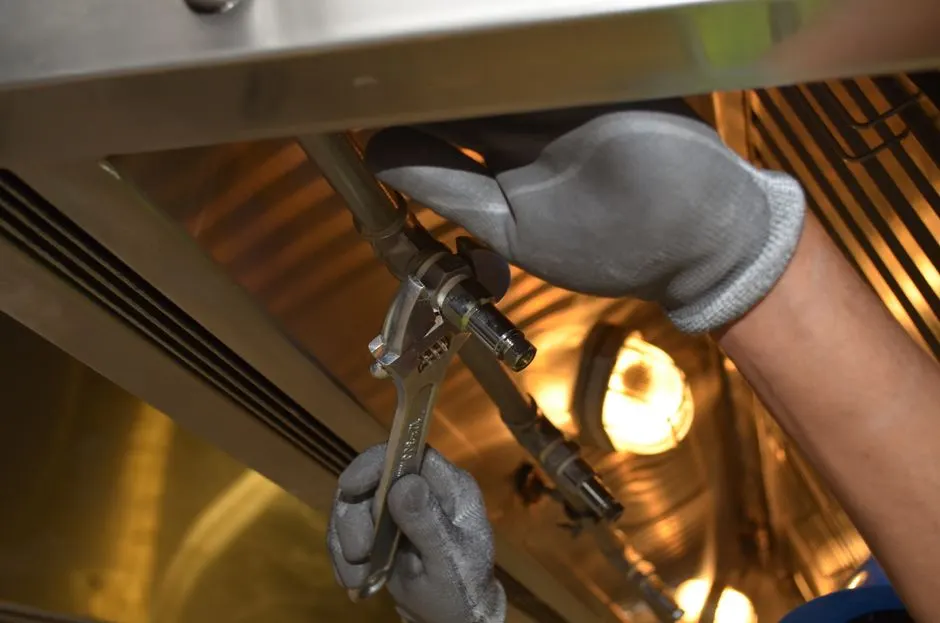
If your furnace stops working, the first thing to do is check your thermostat, confirm the furnace has power, and make sure the gas valve is open. If those are fine and the furnace still won't run, turn off the system at the breaker or shut-off switch, and call for emergency furnace repair before you touch anything else. Emergency furnace repair what to do before help arrives is mostly about safety and staying warm - not about fixing the furnace yourself.
We're Furnace Pros Utah, and we've walked into hundreds of Utah homes on the coldest nights of the year. The homeowners who handle the first 30 minutes well usually save money, avoid damage, and stay comfortable until our technician pulls up. Here's exactly what to do.
First: Is It a True Furnace Emergency?
A true furnace emergency in Utah means one of four things: no heat when outdoor temps are below freezing, a gas smell, a carbon monoxide alarm, or water actively leaking from the unit. Anything else can usually wait for a same-day appointment. During a January cold snap in Salt Lake City, overnight lows regularly drop to 15°F or lower, and a house can lose heat fast - interior temps can fall 10 to 15 degrees in the first two hours after a furnace quits.
If you smell rotten eggs, hear a hissing sound near the gas line, or your CO detector is chirping, that's not a repair call - that's an evacuation. Get everyone outside, call 911, and don't flip any switches on your way out.
For everything else - no heat, a furnace that short-cycles, a blower that won't turn on - you have a little time. Use it well.
Emergency Furnace Repair Checklist for Utah Homeowners
An emergency furnace repair checklist for Utah homeowners should cover four things in order: safety, diagnosis, warmth, and the call. Work through them top to bottom.
- Turn the thermostat to OFF and set the fan to AUTO. This stops the furnace from trying to ignite while you investigate.
- Check the air filter. A filter clogged past about 30% of its surface can choke airflow and trip the furnace's high-limit switch. If it's gray and matted, replace it.
- Confirm the gas valve is open. The lever should run parallel to the pipe. If it's perpendicular, it's closed.
- Check the breaker and the furnace switch. Furnaces have a dedicated breaker in the panel and often a light-switch-style shut-off near the unit. Both need to be ON.
- Look at the LED error code. Most furnaces built after 2010 have a small blinking light on the control board. Count the flashes and write them down - that code tells our technician what failed before we arrive.
- Shut the system down if you see water, soot, or a cracked heat exchanger. Then call us.
If you've done all six and the furnace still won't fire, you've confirmed it's a real repair issue. That's when professional Emergency Furnace Repair in Utah is the next step - not a YouTube tutorial at 11 p.m.
How to Stay Warm While Waiting for Furnace Repair in Utah
How to stay warm while waiting for furnace repair in Utah comes down to trapping heat in one room and keeping pipes from freezing. Pick a single room - usually a bedroom or living room - and close it off.
- Close doors and stuff towels under gaps. A closed 12x12 room holds heat far longer than an open floor plan.
- Run a space heater on a hard surface, never on carpet or near curtains. Keep it at least 3 feet from anything flammable.
- Open cabinet doors under sinks on exterior walls. This lets warm room air reach the pipes. Utah homes on slab foundations are especially vulnerable.
- Drip one faucet - preferably the one farthest from the water heater. A pencil-thin stream keeps water moving and prevents a burst pipe.
- Layer up and use blankets, sleeping bags, and hats. You lose most body heat through your head and feet.
- Don't run a gas oven or grill indoors for heat. This is the single most common cause of carbon monoxide poisoning during Utah winter outages.
If you have a fireplace and it's been cleaned this year, a small fire is fine. If it hasn't been swept, skip it - a chimney fire on top of a furnace failure is a very bad night.
Furnace Emergency Safety Tips Utah Homeowners Must Know
Furnace emergency safety tips Utah homeowners must know start with one rule: never smell gas and stay inside. Natural gas and propane are heavier than air in some configurations and can pool in basements and crawl spaces.
Here's what to do the moment you suspect a gas issue:
- Leave the house. Don't call from inside.
- Don't use light switches, garage door openers, or your phone until you're outside.
- Call 911 and your gas utility from a neighbor's house or the driveway.
- Wait for the all-clear before re-entering.
Carbon monoxide is the quieter danger. It's colorless and odorless, and Utah sees dozens of CO-related ER visits every winter. If anyone in the house has a headache, nausea, dizziness, or confusion that improves when they go outside, treat it as CO exposure and get everyone into fresh air immediately.
Other safety basics: never tape over a furnace door safety switch, never bypass the flame sensor, and never run a furnace with the front panel removed. Those panels exist to keep combustion gases moving up the flue instead of into your living room.
Common Mistakes to Avoid During a Furnace Emergency
The most expensive furnace emergency mistakes we see are the ones homeowners make in the first hour. Avoid these:
- Hitting reset over and over. If the furnace locks out three times, it's telling you something is wrong. Repeated reset attempts can flood the combustion chamber with gas.
- Pulling the filter and running without one. Dust and debris go straight into the blower motor and heat exchanger.
- Using a kerosene heater in a bedroom. These produce CO and need serious ventilation.
- Waiting until morning. A furnace that quits at 9 p.m. in a 10°F Utah night can freeze pipes by 4 a.m. That turns a $300 repair into a $3,000 water damage claim.
- Calling a general handyman. Furnace work involves gas, combustion, and electrical - it needs a licensed HVAC technician.
One more: don't assume a new furnace is the answer. Most emergency calls we run end with a repair, not a replacement. If your system is 15 years or older and this is its second or third breakdown this season, that math changes - but that's a conversation to have in daylight, not at midnight.
When to Call a Professional for Emergency Heating Repair in Utah
Call a professional for emergency heating repair in Utah the moment you've done the checklist and the furnace still won't run - or immediately if you smell gas, see water, or hear metal-on-metal noise from the unit. Those last three are not DIY territory.
At Furnace Pros Utah, we handle gas furnace repair, electric furnace repair, and high-efficiency condensing systems across the Wasatch Front and rural Utah. Our technicians carry the most common igniters, flame sensors, control boards, and blower motors on the truck, which is why most emergency calls are fixed on the first visit.
We also see a lot of the same problems in the same neighborhoods. In older homes around Furnace Repair in Bountiful, for example, we frequently find undersized return-air ducts that cause the furnace to overheat and lock out. In newer builds, it's usually a failed pressure switch or a dirty flame sensor - a 20-minute fix.
If your system is on its last legs and you're weighing repair versus replacement, we'll give you a straight answer. Sometimes a Furnace Replacement in Utah is the smarter long-term call, especially if your current unit is a 20-year-old 80% AFUE model. A modern 96% AFUE furnace can cut your winter gas bill by 15% to 25% in a typical Utah home.
And if this is your first breakdown of the season, book a Furnace Tune-Up in Utah once the emergency is handled. A $99 to $149 tune-up in 2026 pricing catches the worn igniter or cracked belt before it strands you in January.
Frequently Asked Questions
What should I do before emergency furnace repair arrives in Utah?
Turn the thermostat off, check the filter, confirm the gas valve is open, and check the breaker. Write down any LED error code from the control board. Then close off one room, drip a faucet, and wait. Don't attempt gas or electrical repairs yourself.
Should I turn off my furnace if it stops working in Utah?
Yes - turn it off at the thermostat and, if you smell gas or see water, at the breaker. Running a furnace that's repeatedly locking out can flood the combustion chamber or worsen a cracked heat exchanger. Off is the safe default until a technician inspects it.
How long does emergency furnace repair take in Utah?
Most emergency furnace repairs take 1 to 3 hours on site. Common fixes - flame sensor, igniter, pressure switch - are often done in under 90 minutes. If a control board or blower motor needs replacing, plan on 2 to 4 hours, plus parts availability.
How much does emergency furnace repair cost in Utah?
Typical 2026 emergency furnace repair in Utah runs $250 to $650, including the after-hours diagnostic. Simple sensor or igniter replacements sit at the low end. Blower motors, control boards, and inducer assemblies push toward $600 to $1,200. Replacement quotes range from $3,500 to $7,500 installed.
Can I prevent furnace emergencies in Utah?
Yes. Replace your filter every 1 to 3 months, book annual furnace maintenance in early fall, and keep the area around the unit clear. Homes that get a yearly tune-up see roughly 70% fewer mid-winter breakdowns than homes that skip it.
Get Help with Furnace Repair in Utah
When your furnace quits on a cold Utah night, you don't need a lecture - you need heat. Furnace Pros Utah runs emergency calls across the Wasatch Front and rural Utah, and we stock the parts that fix most breakdowns on the first visit.
Call (866) 961-2544 now and we'll get a technician headed your way. If you'd rather see how we handle the full range of heating problems first, start at Furnace Repair in Utah.